How to Organize a Neighborhood Clean-Up Event
Organizing a neighborhood clean-up event can be a rewarding way to enhance your community while promoting environmental consciousness. Although it requires careful planning and coordination, many users report that the effort leads to stronger community bonds and a healthier environment.
Understanding the Basics
Before diving into the planning process, it's crucial to understand the fundamental steps involved in organizing a clean-up event. According to experts, the first step is to define the purpose and scope of the event. Will it focus on a local park, streets, or a specific area with litter issues? This clarity helps in mobilizing volunteers and resources effectively.
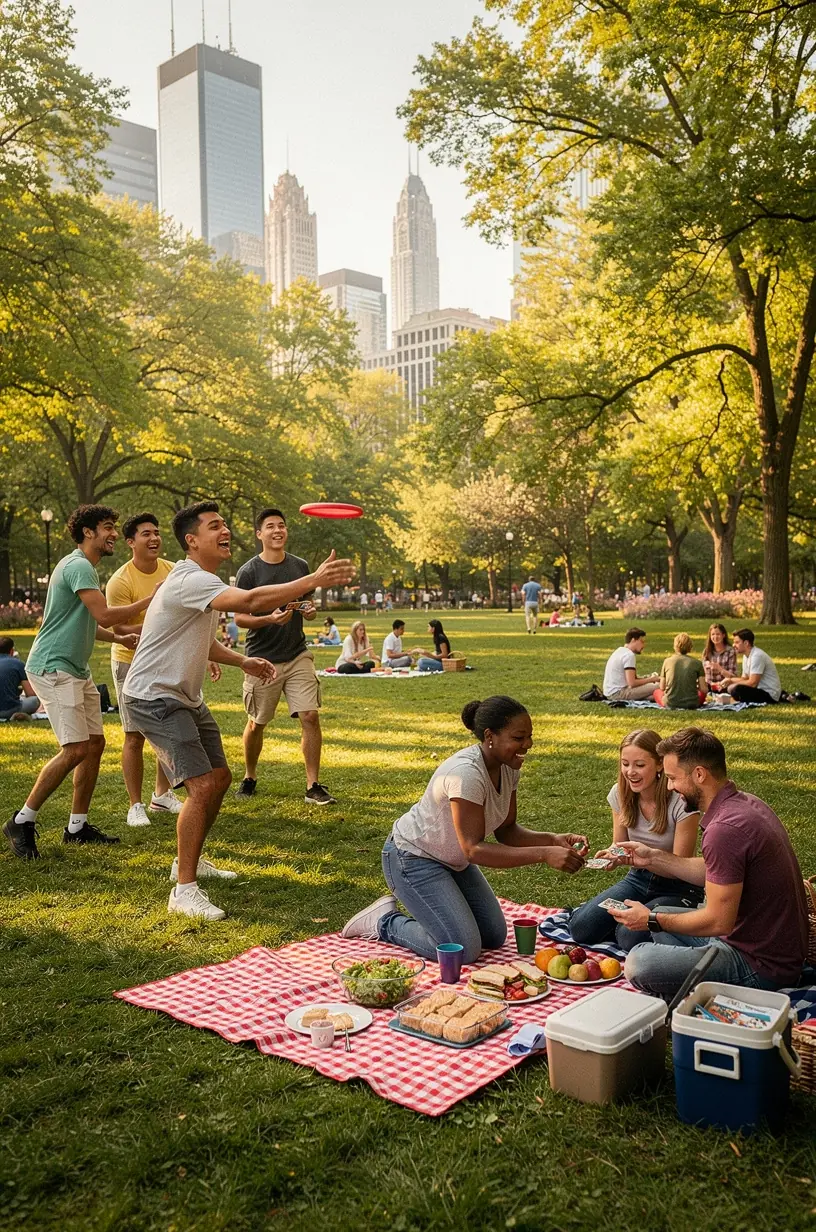
"Community engagement in clean-up events not only improves local aesthetics but also fosters a sense of ownership and responsibility among residents." - Environmental Studies Expert
Steps to Organize Your Clean-Up Event
- Set a Date and Time: Choose a date that allows ample time for promotion, typically 4-6 weeks in advance. Weekends often work best for volunteer availability.
- Gather Supplies: Collect trash bags, gloves, and safety vests. According to industry standards, providing these items increases participation as it reduces barriers for volunteers.
- Promote the Event: Utilize community boards, social media, and local newspapers to spread the word. Research indicates that community announcements can significantly increase attendance.
- Engage Local Businesses: Reach out to local businesses for sponsorships or donations of supplies. Many businesses appreciate opportunities to support community initiatives.
- Plan for Safety: Ensure that volunteers are aware of safety protocols, especially if the area contains potentially hazardous materials. Experts recommend a brief safety orientation before starting the clean-up.
- Celebrate Participation: After the event, consider organizing a small gathering or providing refreshments. Acknowledging volunteers’ efforts can encourage future participation.
Key Considerations
While organizing a neighborhood clean-up event can be fulfilling, it’s essential to acknowledge some limitations. The planning process typically takes 2-4 weeks, and the effort required may vary based on the scale of the event. Additionally, some community members may be hesitant to participate due to time constraints or lack of awareness about the environmental issues at hand.
Effective communication of the event's impact can help mitigate these challenges. Articulating the benefits, such as improved aesthetics and environmental health, can inspire more community members to get involved.
Conclusion
In summary, organizing a neighborhood clean-up event can significantly enhance community spirit and environmental awareness. By following these structured steps and keeping realistic expectations, you can create a successful event that brings neighbors together for a common cause. Remember, the effort you put in may take time to cultivate a habit of community engagement, but the long-term benefits are often worth the investment.